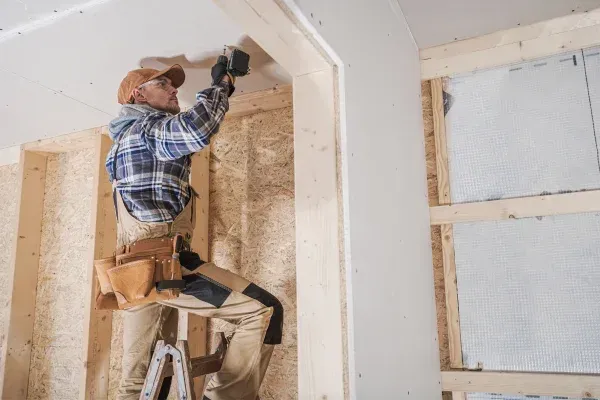
Garage Remodeling in Arizona: WhaHomeowners Must Know
Garage renovations are becoming increasingly popular across Phoenix and the surrounding areas. Whether homeowners want to create additional living space, upgrade storage, or modernize their property, the garage is often the first place they look.
However, remodeling or converting a garage in Arizona requires more than cosmetic upgrades. Structural considerations, slab integrity, framing adjustments, and garage door system compatibility all play a critical role in long-term performance.
At Thomas Contracting AZ, we regularly work with homeowners throughout Maricopa County who are planning garage upgrades. Before starting your project, here’s what you need to understand.

Understanding the Structural Role of Your Garage
Many homeowners underestimate how structurally important the garage really is.
Your garage supports:
• Load-bearing walls
• Roof framing systems
• Ceiling joists
• Garage door header beams
• Concrete slab foundations
If modifications are made without evaluating structural impact, issues can develop over time.
Even seemingly minor changes, such as widening an opening, altering framing, or removing interior supports, can affect how the garage door system operates.
Garage Conversions: More Than Just Closing the Door
Converting a garage into living space is common in Arizona. However, homeowners should understand what’s involved before committing.
A proper conversion typically includes:
• Insulation upgrades
• Electrical rewiring
• HVAC integration
• Drywall finishing
• Flooring adjustments
• Structural reinforcement
One often-overlooked component is the garage door opening itself.
Some homeowners choose to:
• Remove the door entirely
• Replace it with a wall
• Install French doors
• Reduce the opening size
These decisions require careful planning because the garage door header supports significant structural weight.
Improper modification can lead to sagging, cracking, or long-term framing issues.
Slab Integrity and Concrete Cracks
Arizona’s soil composition plays a major role in slab movement.
During the monsoon season, moisture causes clay soils to expand. During dry heat periods, they contract. This constant movement places stress on concrete slabs.
Before remodeling, homeowners should inspect for:
• Horizontal slab cracks
• Vertical displacement
• Uneven surfaces
• Moisture intrusion
• Settlement gaps near walls
If slab shifting exists, cosmetic remodeling will not solve the root issue.
Addressing structural stability first prevents future damage to interior finishes.
How Structural Changes Impact Garage Door Systems
Here’s where many renovations go wrong.
Garage doors rely on precise alignment between:
• Vertical tracks
• Horizontal tracks
• Framing supports
• Header beam positioning
• Concrete leveling
If framing is adjusted during remodeling, even slightly, it can cause:
• Doors that won’t close flush
• Gaps at the bottom
• Increased motor strain
• Track misalignment
• Premature spring wear
Homeowners planning structural modifications should consult a qualified garage door professional before completing framing work.
In many Arizona renovation projects, homeowners coordinate with experienced local specialists like Quick Response Garage Door Services to ensure structural adjustments and door systems remain properly aligned and safe.
This step prevents costly corrections later.
Header Beam and Framing Considerations
The garage door header beam carries the roof load weight.
If homeowners choose to:
• Widen the opening
• Replace the door with a larger model
• Convert from single to double door
• Install a heavier insulated door
Structural reinforcement may be required.
Failure to upgrade header support can result in:
• Sagging above the opening
• Cracked drywall
• Misaligned door tracks
• Long-term structural weakening
Contractors should calculate load requirements carefully before making modifications.
Insulation and Energy Efficiency Upgrades
Arizona homeowners often remodel garages to improve energy efficiency.
Upgrades may include:
• Spray foam insulation
• Insulated garage doors
• Sealed framing gaps
• Reflective roofing barriers
While insulation improves comfort, it also adds weight and changes internal pressure dynamics.
If installing a heavier insulated garage door, track systems and springs must be properly rated for that load.
This is another reason coordination between the contractor and the garage door specialist is critical.
Drainage and Water Intrusion Risks
Garage remodeling should also address drainage.
Poor grading or failing seals can allow water to enter during storms.
When upgrading flooring or finishing walls, ensure:
• Exterior grading slopes away from the structure
• Door seals are intact
• Concrete cracks are sealed
• Perimeter gaps are reinforced
Water intrusion can damage finished interiors and compromise structural elements.
Permits and Code Compliance in Arizona
Depending on the scope, garage remodeling in Phoenix and surrounding municipalities may require permits.
Projects involving:
• Structural framing
• Electrical updates
• HVAC installation
• Opening size changes
Often requires city approval.
Working with licensed professionals ensures compliance with Maricopa County building standards.
When to Replace Instead of Remodel
In some cases, replacing the garage door system entirely makes more sense than modifying around it.
Modern garage doors offer:
• Better insulation
• Stronger materials
• Improved sealing systems
• Enhanced safety features
• Updated curb appeal
If structural changes are significant, upgrading the door system during renovation may be more cost-effective long-term.
Coordinating Contractors for Best Results
The most successful garage renovations happen when:
• Structural contractor
• Garage door specialist
• Electrician
• HVAC technician
All communicate during planning.
Instead of correcting mistakes after construction, proactive coordination prevents:
• Misaligned openings
• Weight miscalculations
• Framing interference with track systems
• Door motor strain
Homeowners benefit from working with experienced teams who understand how structural changes affect connected systems.
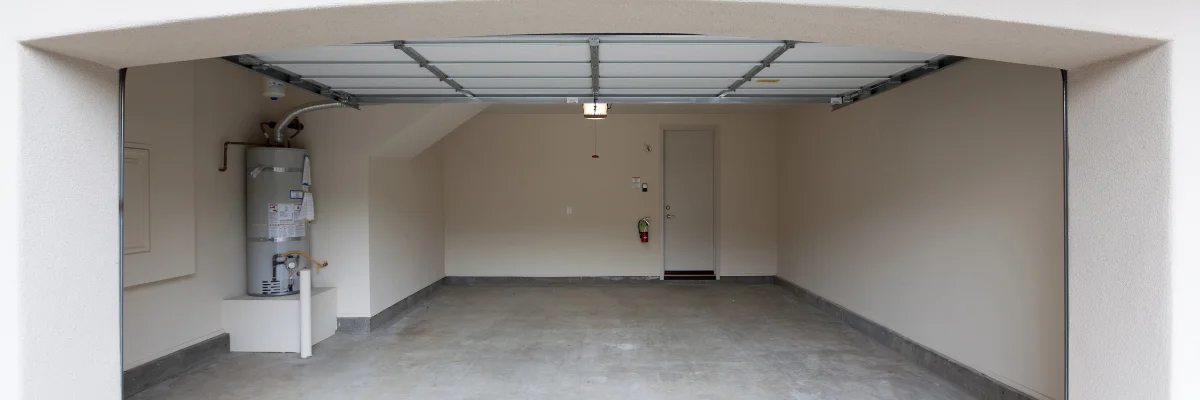
Final Thoughts: Plan Structural Changes Carefully
Garage remodeling offers incredible value for Arizona homeowners.
But structural modifications must be handled with precision.
Before altering framing, widening openings, or converting garage space, ensure:
• Slab integrity is confirmed
• Header beams are properly supported
• Door systems are evaluated
• Drainage issues are addressed
• Qualified professionals are consulted
Taking these steps protects your investment and ensures your renovation performs safely for years to come.
Thomas Contracting AZ proudly works with homeowners across Phoenix and Maricopa County to deliver structurally sound, high-quality renovation projects built to last.


