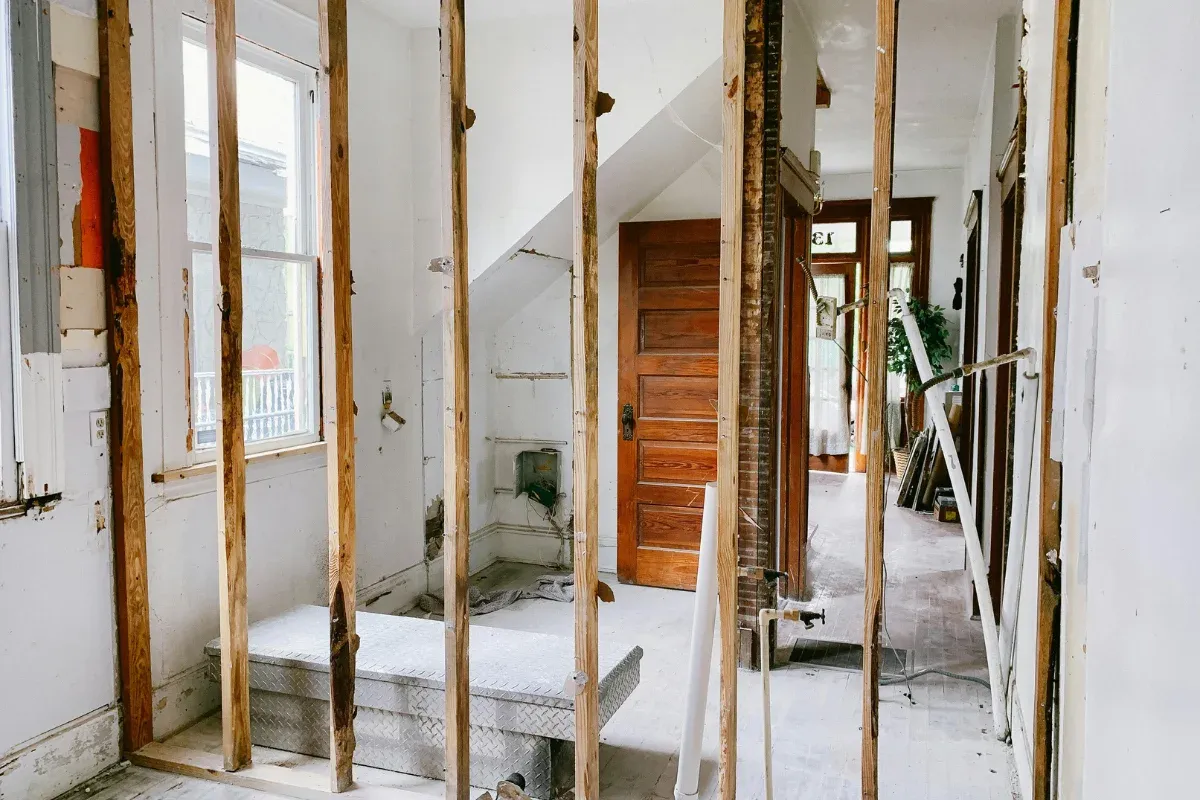
How Do You Fix a Large Hole in Drywall Damage Properly?
A large hole in drywall usually needs more than spackle and a quick coat of paint. A proper repair typically involves removing loose or damaged material, creating a solid opening, supporting and installing a replacement piece of drywall, reinforcing the seams, applying joint compound in multiple coats, sanding, matching the existing texture, and finishing the surface for paint.
The details matter because a patch can be structurally secure and still look obvious if the seams, texture, or paint finish are poorly blended. For homeowners planning home remodeling, drywall repair may also be part of preparing a room for new finishes, repairing previous damage, or completing a larger interior update.
At Thomas Contracting, we repair drywall cracks, holes, and water-damaged areas and work to leave repaired walls smooth and clean. Here is what homeowners in Mesa, AZ should understand about fixing significant drywall damage properly.
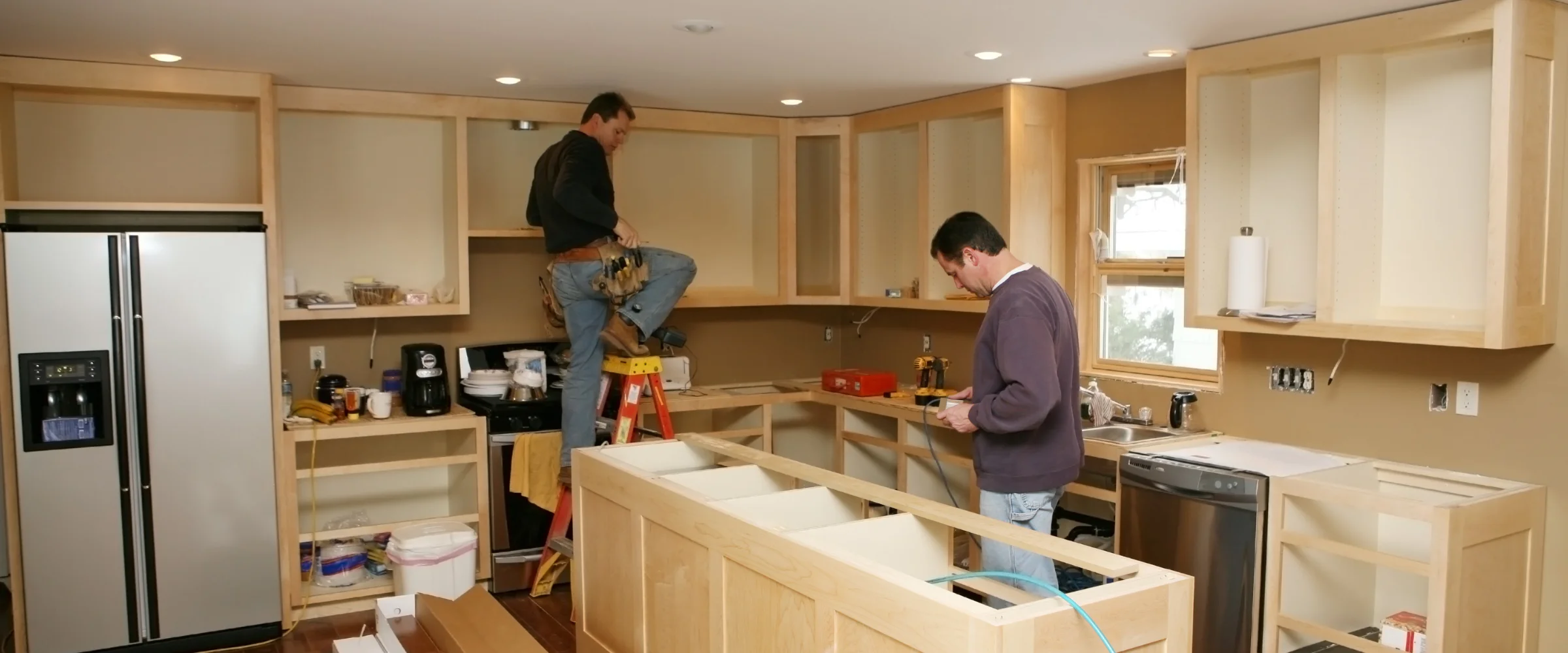
What Counts as a Large Hole in Drywall?
There is no single size at which every drywall repair changes from a small patch to a large-hole repair. What matters is whether the remaining drywall can adequately support the repair.
Small dents, fastener holes, and minor surface damage can often be filled without replacing a section of the wallboard. Once the damaged area becomes larger, irregular, crushed, or unstable, cutting out the affected drywall and installing a replacement section is generally the more dependable approach.
USG's drywall repair guidance, for example, describes repairing larger holes by removing the damaged panel section, positioning replacement drywall, securing it, and finishing the perimeter with joint tape and compound. USG Sheetrock Drywall Repair Guidance
The type of damage matters just as much as its dimensions. A hole caused by an impact may be relatively straightforward. Drywall that is soft, stained, sagging, or damaged by moisture requires additional attention because the source of the problem should be understood before the wall is closed again.
How Do You Fix a Large Hole in Drywall Properly?
A lasting large-hole repair is essentially a small drywall replacement project. Rather than trying to bridge a wide opening with filler alone, the damaged section is replaced with solid drywall and the new seams are finished so they blend into the surrounding wall.
Assess the Damage Before Covering It
The first step is determining what caused the hole and whether the damage extends beyond the visible opening.
An accidental impact may only damage the gypsum board. Other situations can involve moisture, damaged framing, plumbing problems, or other concealed conditions. If water caused the damage, the moisture source needs to be addressed rather than simply covering the affected area.
Any opening that exposes electrical wiring, plumbing, significant framing damage, or another building system deserves additional caution. Large drywall repairs are not a reason to perform unqualified electrical, plumbing, or structural work.
Remove Loose and Damaged Drywall
Broken drywall tends to leave crushed gypsum, torn face paper, irregular edges, and weak material around the opening. Those surfaces do not provide a good foundation for a clean repair.
The damaged portion is typically removed until solid drywall remains. Creating a controlled opening also makes it easier to measure and fit the replacement piece accurately.
This step is one reason simply filling a major hole with increasing amounts of patching compound is usually the wrong approach. Joint compound is primarily part of the finishing system. It is not a substitute for missing wallboard across a substantial opening.
Provide Solid Support for the Patch
The replacement drywall needs adequate support. Depending on the location and size of the opening, that support may come from existing framing or an appropriate backing or repair system.
The goal is to prevent the new piece from moving independently of the surrounding drywall. Movement at the patch edges can contribute to visible seams or cracking later.
Specialized systems are also available for certain repairs. USG Sheetrock Brand Drywall Repair Clips, for example, are designed for repairing large holes and certain water-damaged drywall applications. The appropriate repair method still depends on the wall assembly and the condition of the damaged area.
Install a Replacement Piece of Drywall
A replacement section is measured and cut to fit the prepared opening. The thickness and characteristics of the existing wallboard should be considered so the new surface aligns properly with the wall around it.
A patch that sits noticeably deeper or farther out than the surrounding drywall creates extra finishing problems. Even good joint-compound work can struggle to conceal a badly fitted replacement panel.
The new drywall is then securely fastened to its support without damaging the face of the panel.
Reinforce the Seams
Once the replacement piece is secure, the perimeter becomes a series of new drywall joints. Those joints need reinforcement before they can be blended into the surrounding surface.
Drywall finishing systems commonly use paper or fiberglass joint tape, depending on the application and compound system. USG Sheetrock Brand Paper Joint Tape is designed to reinforce gypsum panel joints, while USG Sheetrock Brand Fiberglass Joint Tape is another joint-reinforcement product available for drywall applications.
The objective is not merely to hide the cut line. Proper joint treatment helps the new and existing surfaces function as a finished wall rather than appearing as separate pieces.
Build Up Joint Compound Gradually
One thick layer of compound is rarely the best route to an invisible repair.
Instead, drywall finishing generally involves applying compound across the reinforced seams and feathering successive coats farther onto the surrounding wall. The wider transition makes the slight change in surface elevation less noticeable.
Each coat needs appropriate drying or setting time based on the product being used. Applying another coat too early can create finishing problems.
This part of the process often separates a functional patch from a professional-looking one. The repair can occupy a relatively small area, but the finished compound may extend considerably beyond the original hole to create a gradual transition.
Sand Without Damaging the Wall
After the compound has dried appropriately, high areas, ridges, and tool marks are smoothed.
Aggressive sanding can create its own problems. Oversanding may expose joint tape, damage drywall paper, or create a depression that remains visible after painting.
The goal is a flat transition that disappears visually into the original wall, not simply an extremely smooth spot in the middle of the patch.
Match the Existing Wall Texture
A repair can be perfectly flat and still stand out if the surrounding wall has texture.
Homes may have smooth walls or textured finishes, and texture can vary considerably from one property or room to another. Matching the pattern, size, density, and appearance of an existing texture takes care.
The repaired area also needs to transition into the surrounding finish. A sharply defined rectangle of new texture can make the patch noticeable even if the underlying drywall work is excellent.
Prepare the Surface for Paint
After the drywall and texture work are complete, the repaired area needs suitable preparation before the final coating.
Fresh joint compound can absorb paint differently from an existing painted wall, so proper surface preparation helps create a more consistent finish. Paint matching can also be affected by the age and condition of the existing coating.
Even when the original paint color is known, an older wall may have changed slightly from cleaning, sunlight, wear, or previous touch-ups. In some situations, coating a broader wall area produces a less noticeable visual transition than painting only the exact patch.
Why Large Drywall Patches Sometimes Remain Visible
A noticeable drywall repair is not always caused by one major mistake. More often, several small finishing differences combine.
Common causes include:
a replacement piece that does not sit flush with the existing wall
insufficient support behind the patch
visible or poorly finished seams
joint compound that was not feathered widely enough
sanding marks or raised edges
mismatched wall texture
differences in paint sheen or surface absorption
unresolved movement or moisture behind the damaged area
Lighting can make these imperfections more obvious. Light traveling across a wall at a low angle tends to emphasize humps, depressions, ridges, and texture differences that may be harder to see under softer lighting.
That is why repairing the opening is only part of the job. Finishing determines whether the repair visually belongs to the rest of the room.
What If the Hole Was Caused by Water Damage?
Water-damaged drywall should be treated differently from an ordinary impact hole.
If drywall feels soft, shows staining, has deteriorated paper, or has been damaged by an active leak, replacing the visible damage without addressing the moisture source can leave the underlying problem unresolved.
The appropriate scope depends on what caused the water exposure and what is discovered after the affected area is evaluated. A plumbing leak, roof problem, exterior intrusion, or another source may require work outside the drywall repair itself.
You should also avoid assuming that every discolored area is only cosmetic. If there are concerns about significant moisture, contamination, structural deterioration, or concealed building systems, professional evaluation may be appropriate before closing the wall.
Should You Patch the Hole or Replace More Drywall?
A larger repair does not automatically mean an entire wall needs replacement.
A localized replacement often makes sense when the surrounding drywall is solid, the damage is contained, and there is a practical way to create and support a clean patch. Replacing a larger portion may make more sense when damage extends throughout the panel, multiple damaged areas are close together, or moisture has affected a wider section.
The right approach is the smallest scope that properly addresses the damage and produces a durable, finishable surface. There is little benefit in replacing sound drywall unnecessarily.
On the other hand, repeatedly patching weak or deteriorated material just to minimize the immediate repair can create additional work later.
When Drywall Repair Becomes Part of Home Remodeling
Not every drywall hole calls for a remodeling project. A single impact hole in an otherwise functional room may simply need a focused repair.
Drywall work often becomes part of a larger project, however, when homeowners are already changing a room's layout, replacing damaged finishes, updating doors or windows, modifying interior spaces, or renovating several surfaces at once.
During home remodeling, coordinating drywall work with the rest of the project can also help avoid finishing an area only to disturb it again during the next construction phase.
At Thomas Contracting, our work includes drywall repair as well as broader residential remodeling. The appropriate scope should depend on what your home actually needs, not on automatically turning a repair into a larger renovation.
What Affects the Cost of Repairing a Large Drywall Hole?
Large drywall repair costs depend on the specific conditions of the job rather than the diameter of the hole alone.
Factors that can affect the scope include:
the size and shape of the damaged area
whether the damage is on a wall or ceiling
the condition of the surrounding drywall
accessibility
the need for backing or additional panel replacement
existing wall texture
the amount of finishing required
whether a broader area needs paint preparation
moisture or other hidden damage
nearby electrical, plumbing, or other building components
A clean impact hole in otherwise sound drywall can be very different from an opening associated with water damage or a previous unsuccessful repair.
Thomas Contracting provides quotes after learning what the project requires, allowing the scope and pricing to reflect the actual condition of the home.
How Long Does a Large Drywall Repair Take?
There is no dependable universal timeline for large drywall repairs.
The physical patch may be only one part of the process. Drying or setting time between finishing coats, texture work, surface preparation, paint, the extent of damage, and any underlying conditions can all affect the schedule.
A repair that requires several finishing stages should not be rushed solely to make it faster. Proper sequencing helps each layer perform as intended and gives the finished surface a better chance of blending with the existing wall.
Drywall Repair Materials and Resources Worth Knowing
Homeowners researching a repair will come across many drywall products. These resources can help you understand the roles of common materials without implying that Thomas Contracting uses or endorses any particular brand.
USG Sheetrock Drywall Repair Clips
USG Sheetrock Brand Drywall Repair Clips are designed for certain large-hole and water-damage repair applications. USG also provides installation information that can help homeowners understand how supported replacement pieces differ from simple surface patches.
USG Joint Tape
USG Sheetrock Brand Paper Joint Tape is made to reinforce gypsum panel joints. Joint reinforcement is an important part of understanding why a large patch requires more than filling an opening with compound.
DAP Patch and Repair Products
DAP Patch and Repair Products include fillers and patching materials for different surfaces and repair sizes. Check individual product instructions and application limits before assuming a patching product is appropriate for a large opening.
DAP DRYDex Wall Repair Patch Kit
DAP DRYDex Wall Repair Patch Kit is intended for holes up to the size specified by the manufacturer. Its limits illustrate why larger damage may require replacement drywall rather than relying on a small patch kit.
Always follow the manufacturer's instructions for any repair product, including surface preparation, application limits, drying time, sanding, and painting.
Frequently Asked Questions About Large Drywall Hole Repair
What types of remodeling projects do you handle?
We help homeowners with many types of remodeling and home renovation projects, including kitchen updates, bathroom remodeling, drywall repair, interior improvements, and larger renovations. Whether you want to update one space or transform more of your house, our team can help you understand the process, materials, design choices, and construction details involved.
We work with customers in Mesa, Phoenix, AZ, and the greater Phoenix area. Our goal is to create a finished space that fits your needs, lifestyle, budget, and style while improving comfort and functionality.
How much does a home remodeling project cost?
The cost of home remodeling depends on several factors, including the size of the project, the materials you choose, fixtures, appliances, labor, design needs, and the condition of the existing home.
A small bathroom remodeling project will usually have a different budget from a full kitchen or larger home renovation. We provide a quote based on the actual work needed so homeowners can better understand where their investment is going. If you are wondering what your project may cost, contact our team and tell us about your vision.
How long does a remodeling project take?
The time needed to complete a remodeling project depends on the size and details of the work. Updating a smaller room may take less time than major renovations involving several areas of the house.
Material availability, appliances, fixtures, construction needs, and changes made during the project can also affect the schedule. We work to keep the process moving smoothly and respond to questions as the work continues. Our team is committed to clear communication so you know what to expect at each step.
Do you offer kitchen and bathroom remodeling?
Yes. Kitchen and bathroom remodeling are common parts of the work we provide. We can help homeowners update the design, fixtures, materials, layout, and functionality of these important spaces.
A kitchen remodel may include cabinets, countertops, appliances, flooring, lighting, and other updates. Bathroom remodeling can involve showers, tubs, vanities, fixtures, flooring, and layout changes. The right choices depend on your space, budget, family needs, and personal style.
How do I choose the right remodeling contractor?
Start by looking for a professional contractor with relevant remodeling and construction experience. Ask about the type of work they complete, how they communicate, what the process looks like, and how they handle changes or unexpected details.
It also helps to choose local pros who understand homes and construction needs in Arizona. Homeowners in Phoenix, Mesa, and the greater Phoenix area may benefit from working with a contractor familiar with local conditions. Good communication, attention to detail, and a clear understanding of your needs can make a major difference throughout the project.
Can you help me plan the design and materials?
Yes. We can discuss your goals, style, budget, materials, fixtures, and how you want the finished space to function. Some homeowners already have a clear vision, while others are still wondering what will work best in their home.
We help turn those ideas into a practical remodeling plan. That can mean choosing materials that fit daily life, understanding which design choices work well together, and finding ways to create a comfortable space without losing sight of your budget. Our team pays attention to both appearance and functionality.
What should I expect during the remodeling process?
Every project is different, but the process generally starts with understanding your needs and looking closely at the space. From there, the scope of work, design, materials, budget, and other details can be discussed before construction begins.
During the project, our team works to ensure each step is handled with care and attention. Remodeling can temporarily affect your normal routine, especially in kitchens and bathrooms, so knowing what to expect can make the experience easier. We want customers to feel comfortable asking questions, and we respond as clearly as possible throughout the work.
Our goal is to help move the project from the first conversation to completion smoothly while keeping the finished result connected to your original vision.
How can I get started with a remodeling project?
The first step is simply to reach out and tell us what you want to change. You may be planning a complete home renovation, updating a bathroom, improving a kitchen, repairing part of your house, or exploring ideas for a future Phoenix home remodeling project.
Contact Thomas Contracting through our website or by phone to discuss your needs. We can learn more about the space, size, design ideas, budget, and other factors that may affect the work. From there, we can help you understand the next step and provide a quote based on the project.
With years of experience serving homeowners in Arizona, our team is committed to professional work, clear communication, and meeting the needs of each family we work with. Whether your home is in Mesa, Phoenix, AZ, or another part of greater Phoenix, we want to help turn your remodeling vision into reality and create a space you are happy to live in.
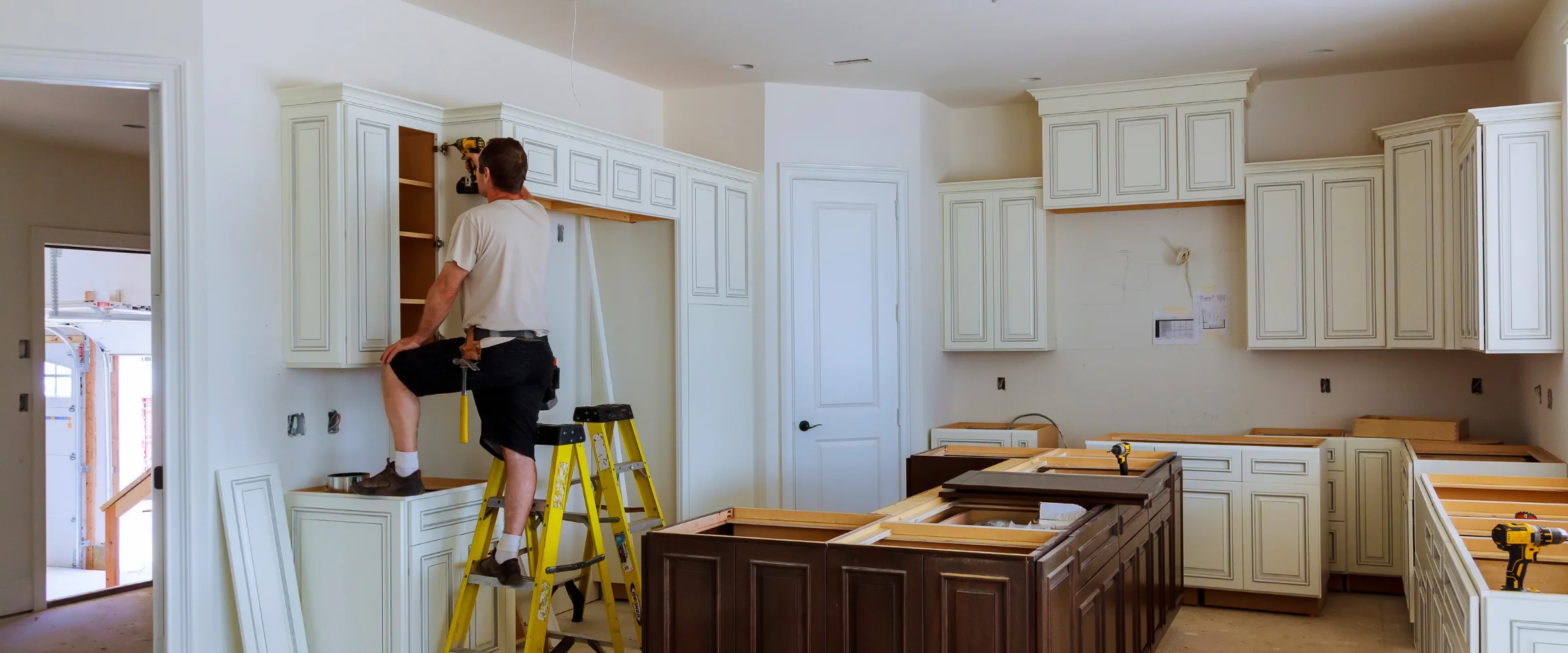
Get Help With Drywall Damage in Mesa, AZ
Properly fixing a large drywall hole means restoring the wall itself, not simply hiding the opening. Solid support, correctly fitted drywall, reinforced seams, gradual finishing, careful sanding, texture matching, and paint preparation all contribute to a repair that looks natural once the room is finished.
If you have a large drywall hole or other interior damage in Mesa, Thomas Contracting can discuss the condition of your wall and the appropriate repair or remodeling scope. Call us at 1 480-220-7219 or Contact Us to discuss your project.


