When Should You Choose Shower Tile Replacement Instead of Repair?
A cracked tile does not automatically mean your entire shower needs to be replaced. In many cases, isolated damage can be repaired without disturbing the rest of the installation. Replacement becomes the better choice when the problem extends beyond a few tiles, the surrounding surface is unstable, moisture may be affecting materials behind the tile, or you are already planning a larger shower update.
For homeowners considering bathroom remodeling, the key question is not simply whether the tile looks worn. You need to understand whether you are dealing with a surface-level problem or a larger issue involving the shower assembly.
When A Shower Tile Repair Usually Makes Sense
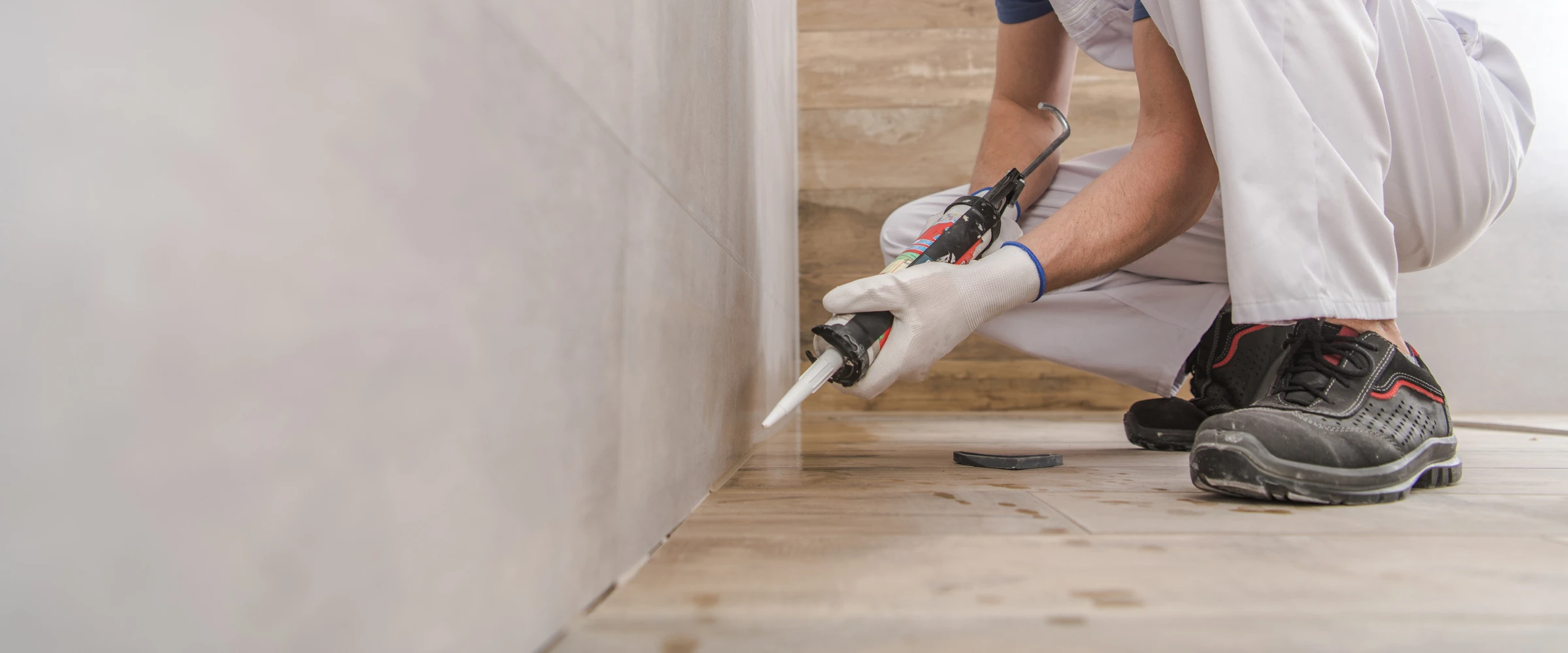
Repair is often reasonable when the problem is clearly limited to a small area and the rest of the shower is in good condition.
One chipped or cracked tile, for example, may not justify removing an otherwise sound installation. The same can be true when a small section of grout has deteriorated but nearby tiles remain firmly attached and there are no signs of recurring moisture problems.
A smaller repair may make sense when the existing shower layout still works well, the tile is generally in good condition, matching replacement material is available, and the damaged area can be addressed without disturbing a much larger section.
The goal should be proportionate repair. Replacing an entire shower solely because one tile was damaged usually adds unnecessary scope unless an inspection reveals another problem.
When Replacement Becomes The Better Option
Shower tile replacement makes more sense when isolated repairs would only cover symptoms rather than address the condition of the overall installation.
Multiple Tiles Are Loose, Cracked, Or Damaged
One damaged tile can be accidental. Several loose or cracked tiles across the same wall or shower floor deserve closer attention.
Repeated cracking may point to movement, deterioration, improper surface preparation, or another condition beneath the finished tile. Simply replacing individual pieces without understanding why the damage keeps appearing may lead to more repairs later.
The same applies when tiles sound loose, shift under pressure, or separate from the surface in several areas. At that point, evaluating a larger section of the installation can make more sense than continuing with individual patches.
Moisture Problems May Extend Behind The Tile
The visible tile is only one part of a shower assembly.
Tile and grout are not, by themselves, a complete waterproofing system. Moisture management depends heavily on the materials and installation behind the finished surface. Schluter Systems notes that tile and grout joints are not inherently waterproof and need to work with an appropriate waterproofing system.
Signs such as recurring deterioration, moisture appearing outside the shower, damaged adjacent finishes, persistent discoloration, or soft areas around the shower should be evaluated before replacing individual tiles.
Those signs do not automatically prove that the entire shower has failed. They do suggest that simply repairing the visible surface may not be enough.
The Same Grout Problems Keep Returning
Grout eventually needs maintenance, and an isolated damaged joint does not mean the shower needs replacement.
Recurring cracking is different.
If the same areas repeatedly open, crack, or deteriorate after previous repairs, movement or another underlying condition may be contributing to the problem. Replacing grout again may improve the appearance temporarily without solving the reason it continues to fail.
Before committing to another cosmetic repair, it is worth determining whether the surrounding tile and supporting surfaces are still stable.
Matching The Existing Tile Is No Longer Practical
Older tile can create a different kind of repair problem: finding a convincing replacement.
Tile collections are discontinued, colors change between production runs, and even a close substitute can look noticeably different once installed beside an older surface.
If one replacement tile will stand out in an otherwise attractive shower, you may still decide the mismatch is acceptable. If several tiles need to be replaced, however, a patchwork appearance may make broader replacement more appealing.
This is primarily an aesthetic decision when the existing installation remains sound.
Replacement Can Also Make Sense During A Larger Shower Update
Sometimes the existing tile is not failing at all.
You may want to replace it because the shower itself no longer fits the way you use the bathroom. Perhaps you want to change the shower dimensions, replace a tub with a shower, improve accessibility, update storage or niches, change fixtures, or create a completely different appearance.
In that situation, keeping old tile simply to avoid replacement may limit the project.
A larger shower renovation also gives you the opportunity to evaluate the condition of the materials that were previously hidden. Remodeling can occasionally uncover moisture damage, uneven surfaces, previous repairs, or other conditions that were not visible before demolition. Those issues are not guaranteed to exist, but they can affect the final project scope if discovered.
What Should Be Evaluated Before You Decide?
The most useful evaluation looks beyond the appearance of the damaged tile.
First, consider the extent of the problem. A single chipped tile is very different from cracking that appears across an entire shower wall.
Next, look at whether the problem has changed over time. Damage that has remained isolated is generally less concerning than a condition that continues spreading or repeatedly returns after previous repairs.
The condition of surrounding materials matters as well. A repair is more practical when adjacent tiles remain secure and the underlying assembly appears sound.
You should also consider the age and availability of the existing tile, your plans for the rest of the bathroom, and whether repairing one section will leave you satisfied with the finished appearance.
Repairing The Surface Will Not Correct Every Underlying Problem
One of the easiest mistakes to make is assuming that new tile automatically fixes whatever is happening beneath it.
It does not.
Tile installation depends on a properly prepared and appropriate supporting assembly. The Tile Council of North America publishes installation guidance covering tiled wet areas, substrates, grout joints, and other elements that affect a successful installation.
This is why replacement decisions should consider more than tile color and pattern. If the supporting materials or moisture-management system need attention, the project may involve more than simply removing old tile and attaching new pieces.
Likewise, a cosmetic issue should not automatically be treated as evidence of major hidden damage. Evaluation helps keep the project scope appropriate to the actual condition of the shower.
What Affects The Cost Of Repair Versus Replacement?
There is no single price difference that applies to every shower.
A small repair may involve limited removal and replacement, while a larger project can involve demolition, preparation, new tile, labor, fixtures, shower components, and work required to address conditions discovered after the existing surface is removed.
Material selection matters too. Tile size, pattern, layout complexity, specialty pieces, shower dimensions, and the amount of preparation required can all influence the scope.
Changing the shower layout or relocating plumbing can increase complexity compared with replacing tile while maintaining the existing configuration.
If cost is a major part of the decision, compare the scope you actually need rather than assuming repair is always inexpensive or replacement is always excessive.
Tile And Shower Resources Worth Reviewing Before You Choose
These third-party resources can help you understand tile selection and shower construction. They are provided as general educational resources and do not indicate that Thomas Contracting uses, installs, or is affiliated with any particular manufacturer.
Tile Council Of North America
The Tile Council of North America Shower FAQs provide technical information about shower installation methods, waterproof membranes, and suitable backing materials. It is a useful resource when you want to understand why the structure behind the finished tile matters.
Daltile
The Daltile tile selection guide explains factors such as tile application, water absorption, installation considerations, and whether a product is intended for areas such as shower floors. These details are useful when replacement includes choosing a new tile rather than matching the old one.
Schluter Systems
The Schluter Shower System resource explains the relationship between tile, grout, waterproofing, drains, and the underlying shower assembly. It can help homeowners understand why replacing the visible tile is only one part of a properly planned tiled shower.
Frequently Asked Questions About Shower Tile Repair And Replacement
How Much Does A Bathroom Remodel Cost In Phoenix, AZ?
The bathroom remodel cost depends on the size of the bathroom, the amount of work involved, and the materials you choose. A small bathroom remodel that keeps the existing layout will usually require a different budget than a full bathroom remodel with new plumbing, flooring, cabinets, countertops, tile, and fixtures. Changes such as moving the shower, tub, toilet, or sink can also increase the project scope. The best way to understand the cost of your remodel is to request a free bathroom remodel estimate based on your actual space and plans.
How Long Does Bathroom Remodeling Usually Take?
The timeline for bathroom remodeling depends on the size and complexity of the project. A guest bathroom or simple bath remodel may be completed faster than a master bathroom renovation involving a larger shower, new tile, plumbing changes, cabinets, vanities, and flooring. Your project manager can explain the expected schedule before installation begins. Good planning, ordering materials in advance, and having one team handle the work can also help reduce delays and keep disruption to your home to a minimum.
Can You Remodel Just The Shower Instead Of The Whole Bathroom?
Yes. Shower remodels are a good option when the rest of the bathroom is still in good condition. A shower remodel may include replacing old tile, damaged shower grout, fixtures, walls, or the shower floor. You can also create a more spacious walk in shower or replace an outdated bathtub with a modern shower. If there are problems behind the existing tile, the remodeling contractor may recommend additional work so the new shower installation has a solid foundation.
What Is Included In A Full Bathroom Remodel?
A full bathroom remodel can include the shower or bathtub, bathroom vanity, sink, toilet, cabinets, countertops, flooring, tile, plumbing fixtures, lighting, walls, and other finishes. Some bathroom renovations also change the layout to create more usable space or improve storage. The exact remodeling services depend on your goals, budget, and the condition of the existing bathroom. Experienced bathroom remodeling contractors can help create a plan that brings the different parts of the project together.
Can You Help Me Choose Tile, Vanities, And Other Bathroom Materials?
Yes. Professional bathroom remodelers can help homeowners compare tile styles, countertops, cabinets, vanities, flooring, fixtures, and other stylish options for a new bathroom. The goal is to choose high quality materials that work with your budget, style, and everyday needs. For Phoenix homeowners, it can also be helpful to consider materials and finishes suited to Phoenix's desert climate and regular bathroom use. Whether you prefer a clean modern design, natural stone, or a more traditional style, your selections can be planned around the complete space.
Can You Change The Layout During A Bathroom Remodel?
Yes, depending on the structure of the bathroom and your budget. Bathroom remodeling in Phoenix can include moving a sink, toilet, tub, shower, walls, cabinets, or bathroom vanity when the project allows for it. Plumbing changes and structural work can make a remodel more involved, so these details should be discussed during the planning stage. Changing the layout can be especially useful when creating a larger shower, improving a small bathroom remodel, or making a master bathroom more comfortable and functional.
Do Bathroom Remodels Add Resale Value To A Home?
A well-planned bathroom renovation can make a home more attractive to future buyers while also improving how the current homeowners use the space. Updated tile, modern vanities, better storage, water efficiency, an improved shower, and quality installation can all make a bathroom feel more current. The exact resale value depends on the home, neighborhood, project cost, and local market, so homeowners should choose a remodel that makes sense as both an investment and an improvement they can enjoy.
How Do I Get Started With Bathroom Remodeling In Phoenix?
Start by deciding what you want to change, what problems you want to solve, and the budget you are comfortable with. A bathroom remodeling company can then review the existing space, discuss your ideas, and explain the remodeling services that fit your project. Whether you need a guest bathroom update, bath remodel, shower replacement, or whole bathroom renovation, requesting a free in-home estimate is a good first step. Homeowners looking for bathroom remodelers in Phoenix, Phoenix, AZ, South Mountain, the Ahwatukee Foothills, or the surrounding Phoenix area can use this consultation to discuss the plan, materials, installation details, and expected project scope before deciding how to move forward.
Choose The Scope That Fits The Actual Problem
Repair makes sense when damage is limited and the surrounding shower remains sound. Replacement becomes more reasonable when deterioration affects multiple areas, problems keep returning, moisture concerns extend beyond the surface, matching existing materials is impractical, or you are already planning significant changes to the shower.
You do not need to turn an isolated repair into a full renovation. At the same time, repeatedly patching a shower with a larger underlying problem may not be the best long-term approach.
If you are considering bathroom remodeling in Mesa and are unsure whether your shower tile should be repaired or replaced, Thomas Contracting can help you discuss the condition of the space and the scope that makes sense for your project. Call 1 480-220-7219 or contact us to talk about your bathroom.


